|
|
|---|
| a tract of ground kept in its natural state, about or adjacent to a residence, as for the preservation of game, for walking, riding, or the like |
| an area of land reserved by the national government for recreational use |
| an area of land managed to conserve wildlife or plant habitat or other natural features |
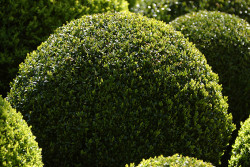
| a horticultural rather than strictly botanical category of woody plant that is distinguished from a tree by its multiple stems and lower height, usually less than 6m tall |
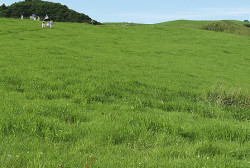
| a piece of land covered or cultivated with grass, usually intended to be mown for hay |
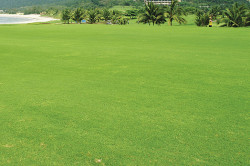
| ground (generally in front of or around a house) covered with grass kept closely mown |
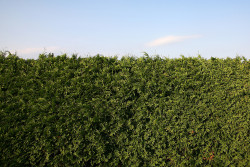
| a thicket of bushes, usually thorn bushes, especially such a thicket planted as a fence between any two portions of land |
| a tract of level uncultivated land with sandy soil and scrubby vegetation |
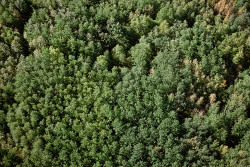
| a dense collection of trees covering a relatively large area, larger than woods |
| a forest in a climate with high annual rainfall and no dry season |
| the substance making up the central part of the trunk and branches of a tree, used as a material for construction, to manufacture various items |
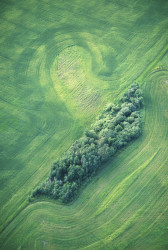
| a dense collection of trees covering a relatively small area; smaller than a forest |
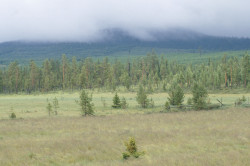
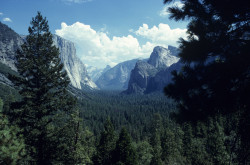
| an unsettled and uncultivated tract of land left in its natural state |
| a large, undeveloped, humid forest, especially in a tropical region, that is home to many wild plants and animals |
| low-lying land that is regularly flooded, especially such land that is drier than a bog or a marsh |
imgserver-11-4643765
-
-
- a tract of ground kept in its natural state, about or adjacent to a residence, as for the preservation of game, for walking, riding, or the like
-
- The biggest park in NYC is Central Park.
-
imgserver-63-sb10065838y
-
national park, national parks(noun)
-
- an area of land reserved by the national government for recreational use
-
- The first national park was the United States' Yellowstone National Park, established in 1872.
-
nature reserve, nature reserves(noun)
-
- an area of land managed to conserve wildlife or plant habitat or other natural features
-
- Sometimes people are not allowed to enter a nature reserve.
-
-
wildlife sanctuary, nature preserve, reservation
imgserver-11-2524336
-
-
- a horticultural rather than strictly botanical category of woody plant that is distinguished from a tree by its multiple stems and lower height, usually less than 6m tall
-
- Let's plant some bushes around the house.
imgserver-11-4645159
-
meadow, meadows[ˈmɛdəʊ](noun)
-
- a piece of land covered or cultivated with grass, usually intended to be mown for hay
-
- The farmer owned several meadows right next to his farm.
imgserver-11-4644956
-
-
- ground (generally in front of or around a house) covered with grass kept closely mown
-
- I love walking barefoot across the lawn.
imgserver-11-6790343
-
hedge, hedges[hedʒ](noun)
-
- a thicket of bushes, usually thorn bushes, especially such a thicket planted as a fence between any two portions of land
-
- He trims the hedge once a week.
imgserver-63-200228679
-
heath, heaths['hiːθ](noun)
-
- a tract of level uncultivated land with sandy soil and scrubby vegetation
-
- Heaths form extensive and highly diverse communities across Australia in humid and sub-humid areas.
imgserver-11-6587107
-
forest, forests[ˈfɒɹəst](noun)
-
- a dense collection of trees covering a relatively large area, larger than woods
-
- They saw several squirrels while they were walking through the forest.
imgserver-63-87689836
-
rain forest, rain forests(noun)
-
- a forest in a climate with high annual rainfall and no dry season
-
- Have you ever been to a rain forest?
-
-
wood['wʊd](uncountable noun)
-
- the substance making up the central part of the trunk and branches of a tree, used as a material for construction, to manufacture various items
-
- Our dining room table is made out of wood.
-
imgserver-63-87473859
-
woods['wʊds](noun plural form)
-
- a dense collection of trees covering a relatively small area; smaller than a forest
-
- The kids are chasing each other through the woods.
imgserver-63-200362594
-
wilderness[ˈwɪl.də.nɪs](uncountable noun)
-
- an unsettled and uncultivated tract of land left in its natural state
-
- He walked through the wilderness without seeing anyone for a long time.
imgserver-63-78487426
-
jungle, jungles[ˈʤʌŋɡl](noun)
-
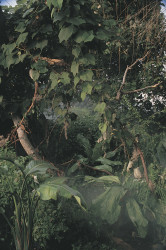
- a large, undeveloped, humid forest, especially in a tropical region, that is home to many wild plants and animals
-
imgserver-63-dv030438
-
swampland, swamplands['swɒmplænd](noun)
-
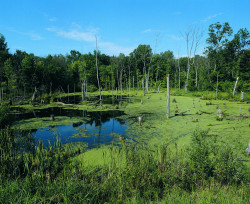
- low-lying land that is regularly flooded, especially such land that is drier than a bog or a marsh
-
- A common feature of swampland is water stagnation.
![]()
Ad
Enter the correct word in the text box and then confirm your entry. If you make a mistake, the word will be repeated automatically! Learn with pictures and examples by customizing the vocabulary trainer to fit your needs.
Keyboard shortcuts: Enter: Check / Go to next question | Alt+1: Hint | Alt+2: Solution
Complete the word by entering the missing letters!
| park |
| bush |
| meadow |
| lawn |
| hedge |
| heath |
| forest |
| wood |
| woods |
| wilderness |
| jungle |
| swampland |
Click on the two cards that belong together!
Word and Image
Tries: 0swampland | |
hedge | |
rain forest | |
park | |
jungle | |
bush | |
woods | |
wilderness | |
heath | |
lawn | |
forest | |
national park | |
meadow | |
Word and Definition
Tries: 0nature reserve | an area of land managed to conserve wildlife or plant habitat or other natural features |
meadow | a piece of land covered or cultivated with grass, usually intended to be mown for hay |
wood | the substance making up the central part of the trunk and branches of a tree, used as a material for construction, to manufacture various items |
national park | an area of land reserved by the national government for recreational use |
swampland | low-lying land that is regularly flooded, especially such land that is drier than a bog or a marsh |
bush | a horticultural rather than strictly botanical category of woody plant that is distinguished from a tree by its multiple stems and lower height, usually less than 6m tall |
forest | a dense collection of trees covering a relatively large area, larger than woods |
hedge | a thicket of bushes, usually thorn bushes, especially such a thicket planted as a fence between any two portions of land |
heath | a tract of level uncultivated land with sandy soil and scrubby vegetation |
rain forest | a forest in a climate with high annual rainfall and no dry season |
woods | a dense collection of trees covering a relatively small area; smaller than a forest |
jungle | a large, undeveloped, humid forest, especially in a tropical region, that is home to many wild plants and animals |
lawn | ground (generally in front of or around a house) covered with grass kept closely mown |
park | a tract of ground kept in its natural state, about or adjacent to a residence, as for the preservation of game, for walking, riding, or the like |
wilderness | an unsettled and uncultivated tract of land left in its natural state |
Definition and Image
Tries: 0 | low-lying land that is regularly flooded, especially such land that is drier than a bog or a marsh |
| a thicket of bushes, usually thorn bushes, especially such a thicket planted as a fence between any two portions of land |
| a tract of ground kept in its natural state, about or adjacent to a residence, as for the preservation of game, for walking, riding, or the like |
| a forest in a climate with high annual rainfall and no dry season |
| a dense collection of trees covering a relatively small area; smaller than a forest |
| a piece of land covered or cultivated with grass, usually intended to be mown for hay |
| an area of land reserved by the national government for recreational use |
| a large, undeveloped, humid forest, especially in a tropical region, that is home to many wild plants and animals |
| a dense collection of trees covering a relatively large area, larger than woods |
| a tract of level uncultivated land with sandy soil and scrubby vegetation |
| a horticultural rather than strictly botanical category of woody plant that is distinguished from a tree by its multiple stems and lower height, usually less than 6m tall |
| ground (generally in front of or around a house) covered with grass kept closely mown |
| an unsettled and uncultivated tract of land left in its natural state |