|
|
|---|
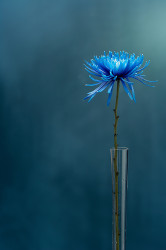
| a plant, typically including sepals, petals, stamens, and ovaries, often conspicuously colourful |
| |
| the state or season of producing flowers |
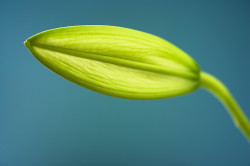
| a newly formed leaf or flower that has not yet unfolded |
| the above-ground stalk of a vascular plant, and certain anatomically similar, below-ground organs such as rhizomes, bulbs, tubers, and corms |
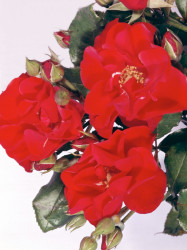
| a shrub of the genus Rosa, with red, pink, white or yellow flowers |
| a bulbous plant, Narcissus pseudonarcissus, with yellow flowers and a trumpet shaped corona; the national flower of Wales |
| any plant of the genus Helianthus, so called probably from the form and colour of its floral head, having the form of a large disk surrounded by yellow ray flowers |
| a herbaceous flowering plant that is a leafy stemmed herb, forming naked or tunic-less scaly underground bulbs from which they overwinter |
| a flowering plant with richly fragrant pendant bells |
| any of the several species of plant in the genus Taraxacum, characterised by yellow flower heads and notched, broad-ended leaves |
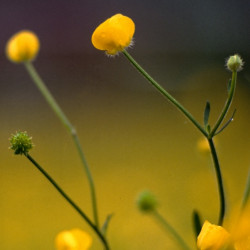
| any of many herbs of the genus Ranunculus, having yellow flowers, that usually flower in April or May, but their flowers may be found throughout the summer |
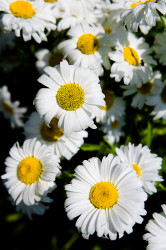
| a small, wild flowering plant with a yellow head and white petals |
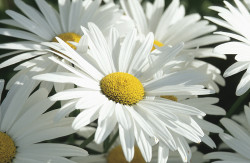
| a perennial prostrate herb with small flower head that consists of about 20 white ray flowers and numerous yellow disc flowers, growing on the end of the stem |
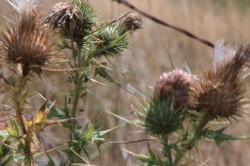
| any of several perennial composite plants, having prickly leaves and showy flower heads with prickly bracts |
| a type of Eurasian plant widely cultivated for its flowers, growing to 80 cm tall with glaucous greyish green to blue-green leaves |
| any plant of the species Papaver, with 4 to 6 crumpled, often red petals and a milky juice |
| colourful and attractive cup shaped flowers that typically have three petals and three sepals that are nearly identical |
| a popular garden plant, of the genus Fuchsia that has shrubs with red, pink or purple flowers |
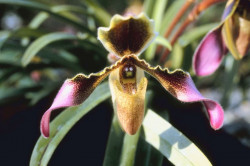
| a plant of the orchid family, bearing unusually-shaped flowers of beautiful colours |
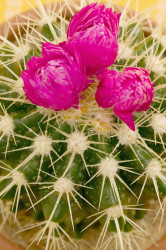
| any succulent plant with a thick fleshy stem bearing spines but no leaves, including euphorbs |
imgserver-11-6989118
-
flower, flowers[ˈflaʊə](noun)
-
- a plant, typically including sepals, petals, stamens, and ovaries, often conspicuously colourful
-
- He brought some flowers when he visited her.
-
imgserver-11-2576899
-
bouquet, bouquets[bō'keɪ](noun)
-
-
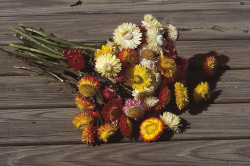
- For my birthday I received two bouquets.
-
blossom, blossoms[blɒsəm](noun)
-
- the state or season of producing flowers
-
- The tree has blossoms early this year.
imgserver-11-6989208
-
-
- a newly formed leaf or flower that has not yet unfolded
-
- After a long, cold winter, the trees finally began to produce buds.
imgserver-11-3273590
-
-
- the above-ground stalk of a vascular plant, and certain anatomically similar, below-ground organs such as rhizomes, bulbs, tubers, and corms
-
imgserver-11-4707851
-
-
- a shrub of the genus Rosa, with red, pink, white or yellow flowers
-
- Many red roses are usually sold on Valentine's Day.
imgserver-11-4655049
-
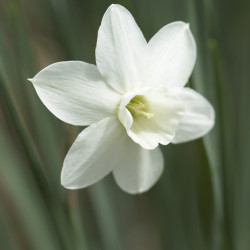
daffodil, daffodils[ˈdæfəˌdɪl](noun)
-
- a bulbous plant, Narcissus pseudonarcissus, with yellow flowers and a trumpet shaped corona; the national flower of Wales
-
- I love it when the first daffodils come in the spring.
imgserver-11-4674205
-
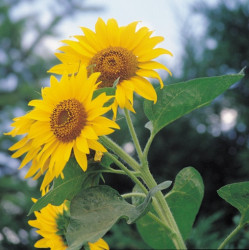
sunflower, sunflowers[ˈsʌnˌflawər](noun)
-
- any plant of the genus Helianthus, so called probably from the form and colour of its floral head, having the form of a large disk surrounded by yellow ray flowers
-
- Sunflowers are Julia's favourite flowers.
imgserver-11-6988858
-
lily, lilies[ˈlɪli](noun)
-
- a herbaceous flowering plant that is a leafy stemmed herb, forming naked or tunic-less scaly underground bulbs from which they overwinter
-
- Dried Lily flower buds called 'Gum Jum' are often used with mushrooms and other ingredients in Chinese cooking.
imgserver-11-4656152
-
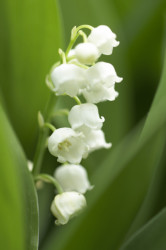
lily of the valley, lilies of the valley(noun)
-
- a flowering plant with richly fragrant pendant bells
-
- Joan wants to have lilies of the valley in her garden this year.
imgserver-11-6588054
-
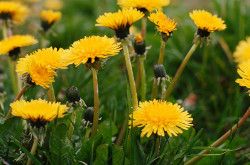
dandelion, dandelions[ˈdæn.dɪ.laɪən](noun)
-
- any of the several species of plant in the genus Taraxacum, characterised by yellow flower heads and notched, broad-ended leaves
-
- You can feed the rabbit some dandelion.
imgserver-11-4718960
-
buttercup, buttercups[ˈbʌt.ə.kʌp](noun)
-
- any of many herbs of the genus Ranunculus, having yellow flowers, that usually flower in April or May, but their flowers may be found throughout the summer
-
- Buttercups are poisonous when eaten fresh by cattle, horses and other livestock.
imgserver-11-6990322
-
daisy, daisies[ˈdeɪ.zi](noun)
-
- a small, wild flowering plant with a yellow head and white petals
-
- The girls made themselves bracelets out of the many daisies.
imgserver-11-2504201
-
marguerite, marguerites[oxeye daisy](noun)
-
- a perennial prostrate herb with small flower head that consists of about 20 white ray flowers and numerous yellow disc flowers, growing on the end of the stem
-
- The marguerite is a typical meadow flower.
imgserver-11-4632599
-
thistle, thistles[θɪsəl](noun)
-
- any of several perennial composite plants, having prickly leaves and showy flower heads with prickly bracts
-
- In the language of flowers, the thistle is an ancient Celtic symbol of nobility of character as well as of birth.
imgserver-11-6204021
-
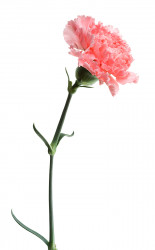
carnation, carnations[kɑːˈneɪ.ʃən](noun)
-
- a type of Eurasian plant widely cultivated for its flowers, growing to 80 cm tall with glaucous greyish green to blue-green leaves
-
- For the most part, carnations express love, fascination and distinction.
imgserver-11-6990477
-
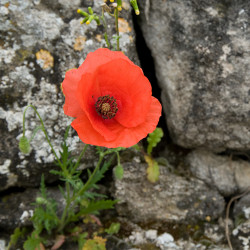
poppy, poppies[ˈpɒpɪ](noun)
-
- any plant of the species Papaver, with 4 to 6 crumpled, often red petals and a milky juice
-
- The pollen of the oriental poppy is dark blue.
imgserver-11-4638750
-
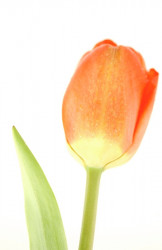
tulip, tulips[ˈtyooləp](noun)
-
- colourful and attractive cup shaped flowers that typically have three petals and three sepals that are nearly identical
-
- Tulips can even grow in the cold and snowy winter.
imgserver-11-4717086
-
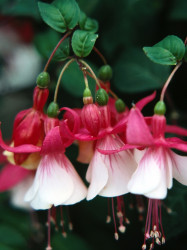
fuchsia, fuchsias[ˈfjuːʃə](noun)
-
- a popular garden plant, of the genus Fuchsia that has shrubs with red, pink or purple flowers
-
- There are about 100–110 species of Fuchsia.
imgserver-11-4612087
-
orchid, orchids[ˈɔrkɪd](noun)
-
- a plant of the orchid family, bearing unusually-shaped flowers of beautiful colours
-
- White orchids are beautiful to look at.
imgserver-11-5100483
-
cactus, cactuses[ˈkæktʊs](noun)
-
- any succulent plant with a thick fleshy stem bearing spines but no leaves, including euphorbs
-
- Better not touch the cactus!
Enter the correct word in the text box and then confirm your entry. If you make a mistake, the word will be repeated automatically! Learn with pictures and examples by customizing the vocabulary trainer to fit your needs.
Keyboard shortcuts: Enter: Check / Go to next question | Alt+1: Hint | Alt+2: Solution
Complete the word by entering the missing letters!
| flower |
| bouquet |
| blossom |
| bud |
| stem |
| rose |
| daffodil |
| sunflower |
| lily |
| dandelion |
| buttercup |
| daisy |
| marguerite |
| thistle |
| carnation |
| poppy |
| tulip |
| fuchsia |
| orchid |
| cactus |
Click on the two cards that belong together!
Word and Image
Tries: 0flower | |
marguerite | |
thistle | |
bud | |
tulip | |
lily | |
cactus | |
sunflower | |
daisy | |
carnation | |
bouquet | |
fuchsia | |
stem | |
dandelion | |
buttercup | |
Word and Definition
Tries: 0orchid | a plant of the orchid family, bearing unusually-shaped flowers of beautiful colours |
poppy | any plant of the species Papaver, with 4 to 6 crumpled, often red petals and a milky juice |
buttercup | any of many herbs of the genus Ranunculus, having yellow flowers, that usually flower in April or May, but their flowers may be found throughout the summer |
dandelion | any of the several species of plant in the genus Taraxacum, characterised by yellow flower heads and notched, broad-ended leaves |
marguerite | a perennial prostrate herb with small flower head that consists of about 20 white ray flowers and numerous yellow disc flowers, growing on the end of the stem |
stem | the above-ground stalk of a vascular plant, and certain anatomically similar, below-ground organs such as rhizomes, bulbs, tubers, and corms |
tulip | colourful and attractive cup shaped flowers that typically have three petals and three sepals that are nearly identical |
lily | a herbaceous flowering plant that is a leafy stemmed herb, forming naked or tunic-less scaly underground bulbs from which they overwinter |
daisy | a small, wild flowering plant with a yellow head and white petals |
bud | a newly formed leaf or flower that has not yet unfolded |
thistle | any of several perennial composite plants, having prickly leaves and showy flower heads with prickly bracts |
blossom | the state or season of producing flowers |
carnation | a type of Eurasian plant widely cultivated for its flowers, growing to 80 cm tall with glaucous greyish green to blue-green leaves |
bouquet | a bunch of flowers |
rose | a shrub of the genus Rosa, with red, pink, white or yellow flowers |
Definition and Image
Tries: 0 | a flowering plant with richly fragrant pendant bells |
| the above-ground stalk of a vascular plant, and certain anatomically similar, below-ground organs such as rhizomes, bulbs, tubers, and corms |
| a plant, typically including sepals, petals, stamens, and ovaries, often conspicuously colourful |
| a popular garden plant, of the genus Fuchsia that has shrubs with red, pink or purple flowers |
| a plant of the orchid family, bearing unusually-shaped flowers of beautiful colours |
| a small, wild flowering plant with a yellow head and white petals |
| a newly formed leaf or flower that has not yet unfolded |
| a type of Eurasian plant widely cultivated for its flowers, growing to 80 cm tall with glaucous greyish green to blue-green leaves |
| a perennial prostrate herb with small flower head that consists of about 20 white ray flowers and numerous yellow disc flowers, growing on the end of the stem |
| a bunch of flowers |
| any of several perennial composite plants, having prickly leaves and showy flower heads with prickly bracts |
| colourful and attractive cup shaped flowers that typically have three petals and three sepals that are nearly identical |
| a bulbous plant, Narcissus pseudonarcissus, with yellow flowers and a trumpet shaped corona; the national flower of Wales |
| any succulent plant with a thick fleshy stem bearing spines but no leaves, including euphorbs |